
As a counseling student residing in California, I am acutely aware of the mental health challenges that arise from the impacts of environmental deterioration. Over the last few days, Northern California’s extreme heat wave and wildfires have brought environmental anxiety to the forefront of my experience. Events like these stir intense feelings of fear and helplessness, which must be recognized and addressed in therapy.
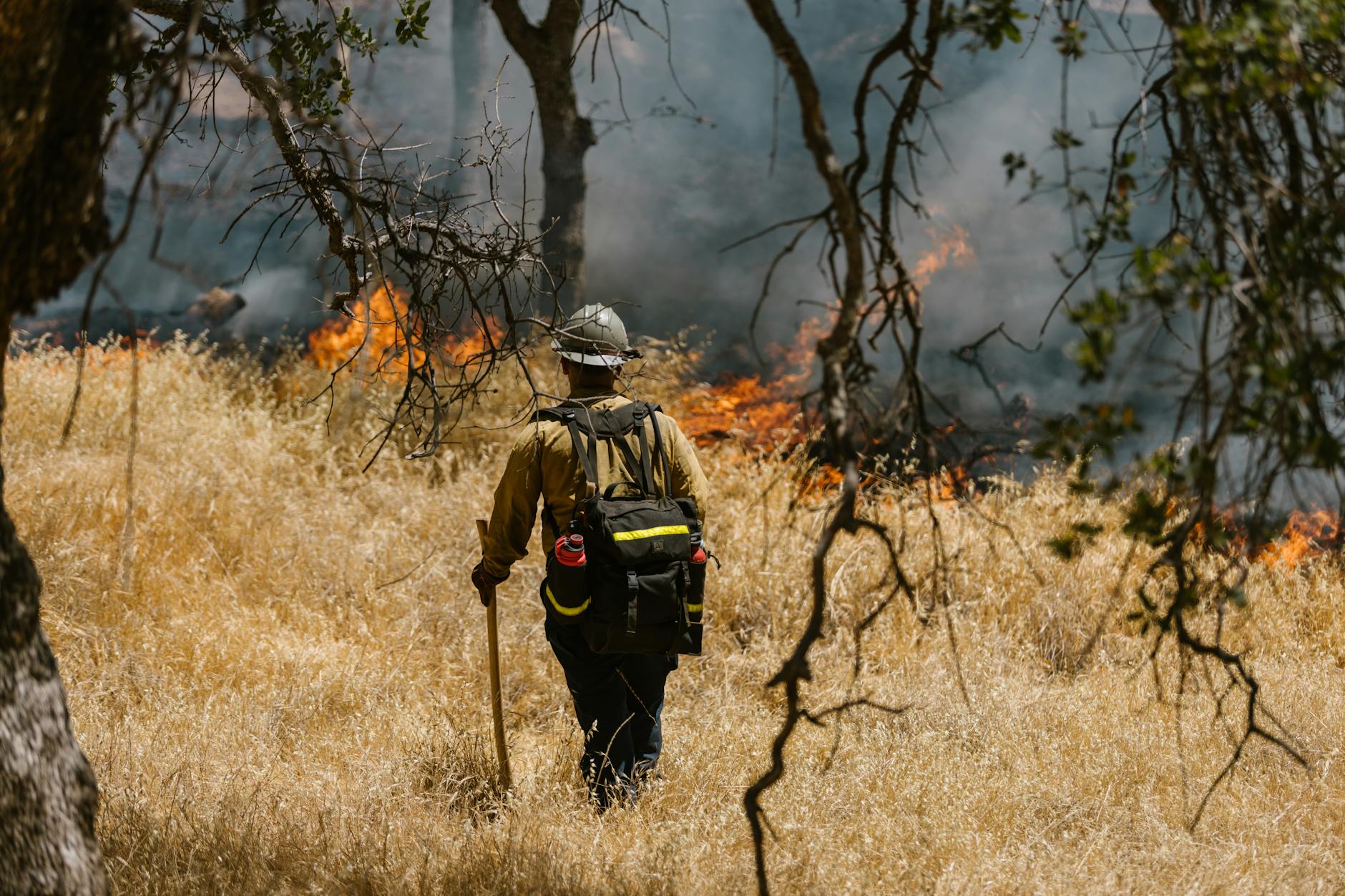
Understanding climate anxiety is the first step. This type of anxiety, often referred to as eco-anxiety, can manifest as generalized anxiety, depression, despair, and even grief. These feelings are more prevalent among those directly impacted by climate disasters and those constantly exposed to images and news about such catastrophic events.
The feelings about climate disasters and governmental inaction are real and valid, and it is important to acknowledge and validate them for our clients. Additionally, teaching clients coping strategies is another key aspect of managing environmental anxiety. Mindfulness practices, deep breathing exercises, and grounding techniques can help clients stay present and reduce panic.
While these individual efforts are important, they necessitate the power of collective resilience. Fostering a sense of community and connectedness can reduce feelings of isolation. Support groups and community organizations provide platforms for sharing experiences and solutions, helping clients feel less alone in their concerns. Along those lines, encouraging clients to take action, even in small ways, can provide a sense of control and purpose. Participating in local clean-up efforts, joining tree planting initiatives, supporting sustainable practices, or advocating for environmental policies can offer a sense of agency.
Staying hopeful amidst environmental challenges can be tough, especially when they are widespread, ranging from the historic flooding in Rio Grande do Sul, Brazil, to extreme weather events in Europe and Asia. However, maintaining hope is important for our mental well-being. Similarly, highlighting successful environmental efforts can inspire hope. Encouraging clients to connect with nature, whether through hiking, gardening, or simply spending time in a park, can be grounding and restorative.
As a counseling student, I am learning how the profession is slowly evolving to address these concerns. I hope that more professional development opportunities on the topic of eco-psychology become available and become part of the counseling curriculum. Additionally, I hope that we can see eco-anxiety as a reflection of the impact we have on our planet and a call for collective action, not just a disorder waiting for a diagnosis, prescription, or treatment plan. As professionals called to advocate for our clients, we cannot become numb to the destruction of the environment and the pain it causes.
As environmental deterioration continues to impact our world, the role of counselors in supporting mental health becomes increasingly important. By validating feelings, providing coping strategies, and equipping ourselves with the necessary knowledge, we can help clients navigate the emotional terrain of eco-anxiety. Together, we can build resilience and foster a hopeful, proactive approach to our shared environmental future.
If you would like to receive my blog posts in your inbox, please enter your email address below.
I will see you next week!

 Roque Neto