
One of the best features of the Counseling program at Palo Alto University (PAU) is the high quality of our instructors, such as Dr. Donna Sheperis, a distinguished figure in the counseling profession. She has dedicated her career to advancing both the practice and education of counseling. Dr. Sheperis has been instrumental in shaping the field through her extensive scholarly work, including many peer-reviewed articles and influential textbooks like Clinical Mental Health Counseling: Fundamentals of Applied Practice and Ethical Decision Making for 21st Century Counselors.
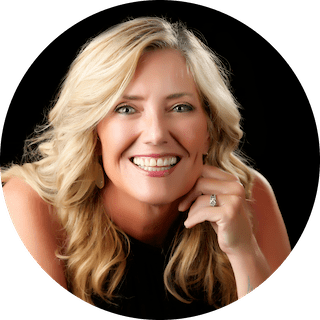
In this interview, Dr. Sheperis shares valuable insights into her professional journey, from the evolution of her theoretical orientation to the mentors who profoundly impacted her approach to counseling. She reflects on the importance of stepping out of one’s comfort zone, embracing feedback from diverse perspectives, and the critical role of mentorship for counselors-in-training. Dr. Sheperis also discusses emerging ethical issues in the field, emphasizing the need for updated training and ethical guidelines to keep pace with technological advancements.
Roque Neto: How did you develop your professional identity and choose your theoretical orientation in counseling?
Dr. Sheperis: A lot of it was formal, sure, but I’d say most of my identity as a counselor evolved over time and experience. My master’s program gave me a solid foundation in theory, and I came out of it feeling like I had a clear professional identity. But real growth came from working directly with clients in community mental health – that’s where the real learning happened. Over time, I moved from a strong cognitive-behavioral approach to something more open and humanistic, with existential influences. I still rely on evidence-based care, but my approach is now more adaptable to the unique people I work with.
Roque Neto: Can you describe any mentors or influential figures who shaped your approach to counseling, and how they impacted your professional journey?
Dr. Sheperis: Absolutely! I mention a lot of these people in the acknowledgments of my first textbook, Clinical Mental Health Counseling: Fundamentals of Applied Practice. One of my first mentors was a psychologist at Mississippi State Penitentiary. He opened my eyes to what counselors can do to support people who live on society’s margins. He trusted me to work with a range of people – those in the prison psychiatric hospital, first offenders who could engage in more talk therapy, and others who struggled in different ways. That experience taught me the depth and reach of counseling beyond what I’d seen in my university-based practice settings. Then, academically, another mentor gave me my first opportunity to write a book chapter while I was still a doctoral student. I felt completely unworthy of the task, but his encouragement was invaluable, and it opened doors I hadn’t even imagined. That’s how I found my footing in academic writing, editing, and leadership – all thanks to these influential people.
Roque Neto: Reflecting on your early years in this career, what do you wish you had known when you first started out?
Dr. Sheperis: Honestly, I think my naïveté worked in my favor. Too much knowledge up front might’ve created unnecessary stress. I assumed that processes in mental health and academia would be laid out for me, but I quickly learned they rarely are! Now, I see that advocacy and leadership in both spaces often comes coupled with systemic inequities and obstacles. I realized I could either accept those challenges or work to change them. By choosing the latter, I hope I’ve made things easier for others along the way.

Roque Neto: With many years of experience in clinical mental health settings, what skills or qualities do you believe are essential for new counselors to develop early in their careers?
Dr. Sheperis: When we’re new, there’s this inner tug-of-war: we feel uncertain about our abilities yet have gut instincts that might just be right. It’s so important to stay open to feedback, especially from people you might not initially connect with. Every piece of feedback has a bit of truth in it, even if it’s hard to hear. Seek out those with different perspectives, get out of your comfort zone, and don’t always surround yourself with like-minded voices. Growth doesn’t happen in a comfort zone – it happens when you let yourself feel uncomfortable, and with time, you become better because of it.
Roque Neto: What key advice would you offer to counselors-in-training who are navigating their educational and early professional experiences?
Dr. Sheperis: Build connections with mentors, even those outside your university. And when you leave, keep in touch with those who guided you. We, as faculty, want to help, to welcome you into the community of practicing clinicians and counselor educators. This field is small, especially if you have specialized areas of interest. So lean into those relationships and maintain them – they’re invaluable as you move forward.
Roque Neto: Your involvement with the ACA Ethics Committee gives you a unique perspective on professional standards. What emerging ethical issues do you think upcoming counselors should be particularly aware of?
Dr. Sheperis: Since 2016, I’ve worked exclusively in telemental health, and I’ve seen that our current training doesn’t fully prepare students for this. Agencies expect us to manage distance counseling effectively, yet best practices – especially those concerning cross-state work – haven’t yet been tested in court. The world of counseling ethics often mirrors medical ethics, so we’re keeping an eye on how these issues evolve. Counselors don’t generally intend to be unethical; it’s a slippery slope where well-meaning people can make mistakes. With the public mental health crisis today, technology will be a major asset. Our ethical guidelines just need to keep up to help us use it effectively and responsibly.
Roque Neto: Balancing teaching, clinical practice, research, and professional service is quite demanding. How have you managed these various roles throughout your career, and what strategies can you share for maintaining professional growth without sacrificing personal well-being?
Dr. Sheperis: I wish I could say I have it all perfectly balanced! A lot of what’s happened in my career feels like happy accidents. I’ve said yes to things without knowing where they’d lead, and each step has opened new, unexpected opportunities. I’m also aware that my privileges have afforded me many of these opportunities, so I try to ensure I’m not taking up space that should go to others. I do my own therapy, keep my weekends mostly free, and make the most of work-related travel by trying to enjoy the experience. This isn’t a solo journey; it’s a team effort. Working in a supportive department, with a sense of community, makes all the difference. Getting to talk with students like you, who push the boundaries of what’s expected in an educational setting and strive to get more from a degree than just a piece of paper (as everyone should!), keeps my passion alive and makes my role at PAU deeply fulfilling.
Thank you for inviting me to participate in your blog, Roque!
Roque Neto: Thank you, Dr. Donna Sheperis, for sharing your insights with us and enriching our journey with your expertise and passion.

 Roque Neto