
Welcome to the last stop in our series on hope. My initial goal was to help you embrace hope as a call that ties personal purpose to a communal pledge to protect the rights of the most vulnerable. As we come to the final post, the focus shifts to embracing hope as a deliberate practice that invites us to recognize the power we hold in shaping the world around us. For this, I am presenting a few practical ways of turning hope into action, even if that means taking the smallest steps toward growth.
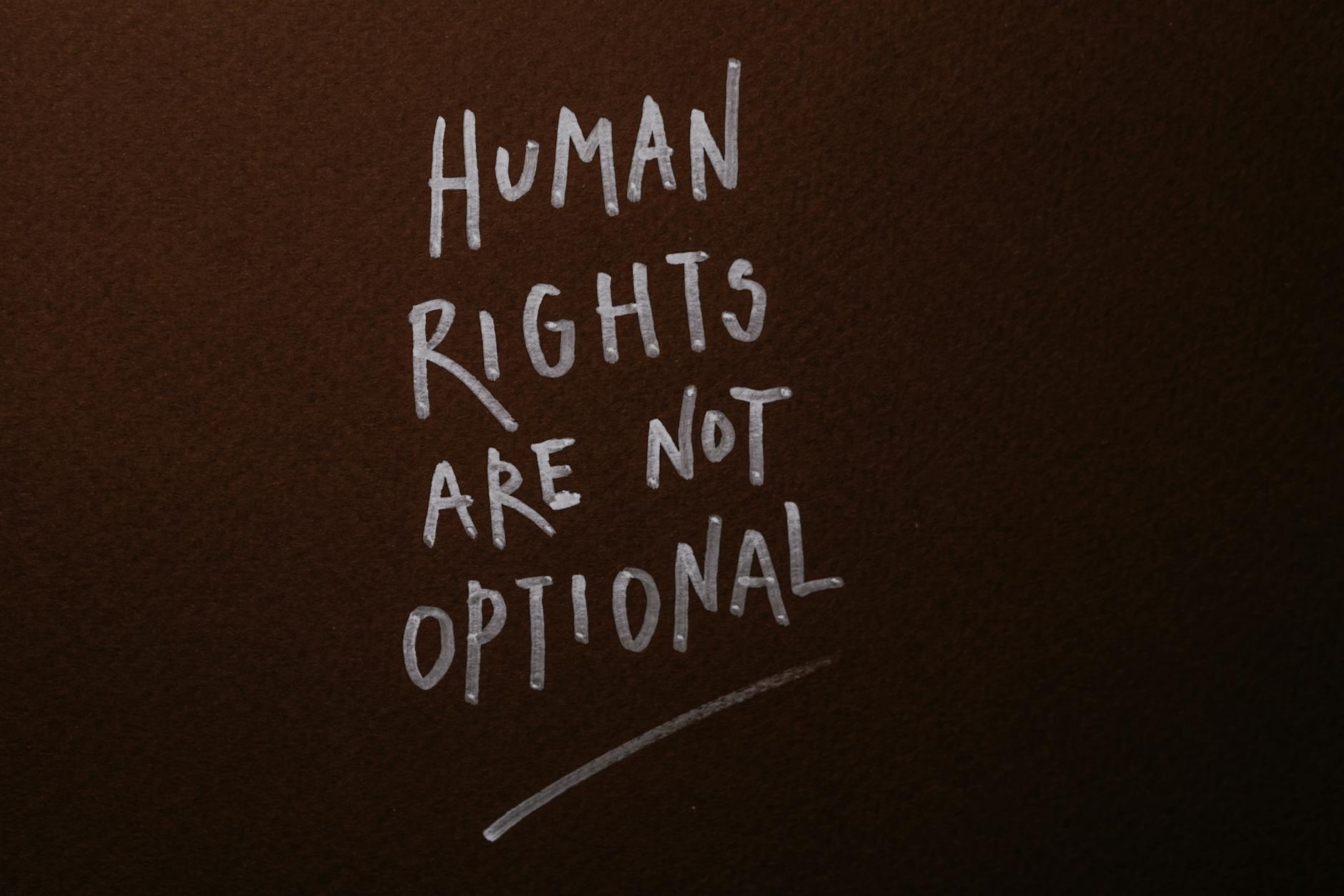
It may help to begin by reflecting on your personal relationship with hope. Ask yourself what hope means to you, how you have acted on it in the past, and in what ways you might bring more of it into your daily life. Perhaps you have been inspired by a friend who never gives up, or by a community initiative that challenged you to believe change was possible. These past experiences can become the fuel that keeps hope alive, particularly in moments when doubt starts to creep in.
Once you recognize your own capacity to shape the future, try setting goals that match your values and the path you want to follow. Choose objectives that reflect who you are and who you hope to become. These goals do not have to be ambitious. Perhaps you want to learn a new skill or support a cause that has always been important to you. Breaking each goal into steps and listing the resources you need can turn ideas into concrete plans. In fact, creating a simple plan that outlines the what, when, and how of your involvement can transform good intentions into real commitment.
From there, consider the ways you can contribute to your community. Hope remains more than a personal concept when we recognize our power to shape the public realm. Engaging elected representatives transforms that inner conviction into a stronger effort that benefits entire neighborhoods and towns. Do not forget for a second that we placed them in office to champion our communities, and it is up to us to hold them accountable. We need to understand that political outreach is an important part of our community engagement, as it can ensure that hope expands, gathers momentum, and becomes part of a collective drive for positive change.
As a counseling student, I must also say that hope often begins with the realization that we don’t have to face our struggles alone, and seeking therapy can be a decisive step in transforming that hope into reality. When we decide to seek professional support, we acknowledge both our desire for change and our capacity to make it happen. There is nothing more powerful than someone who takes concrete steps to address the internal limitations that once held them back. Therapy offers tools and perspectives that help us identify patterns, heal past wounds, and cultivate a renewed sense of optimism about the future.
No matter how strong our plans or reflections are, hope remains incomplete without the actions that bring it to life. Choosing to act in line with what we believe makes hope visible, both to ourselves and others. These choices benefit from consistency and sincerity. When we act with honesty, compassion, and a sense of shared responsibility, we become the agents of change that hope calls us to be.
If you would like to receive my blog posts in your inbox, please enter your email address below.
I will see you next week!

 Roque Neto