
As a counselor-in-training, I have learned that advocacy is an essential part of our profession. The American Counseling Association (ACA) emphasizes the importance of advocating for our clients, our communities, and ourselves. Yet advocacy isn’t something we are formally taught. Life and counseling programs don’t offer “Advocacy 101.” Instead, to become effective advocates, we must take steps, seize opportunities, and actively participate.
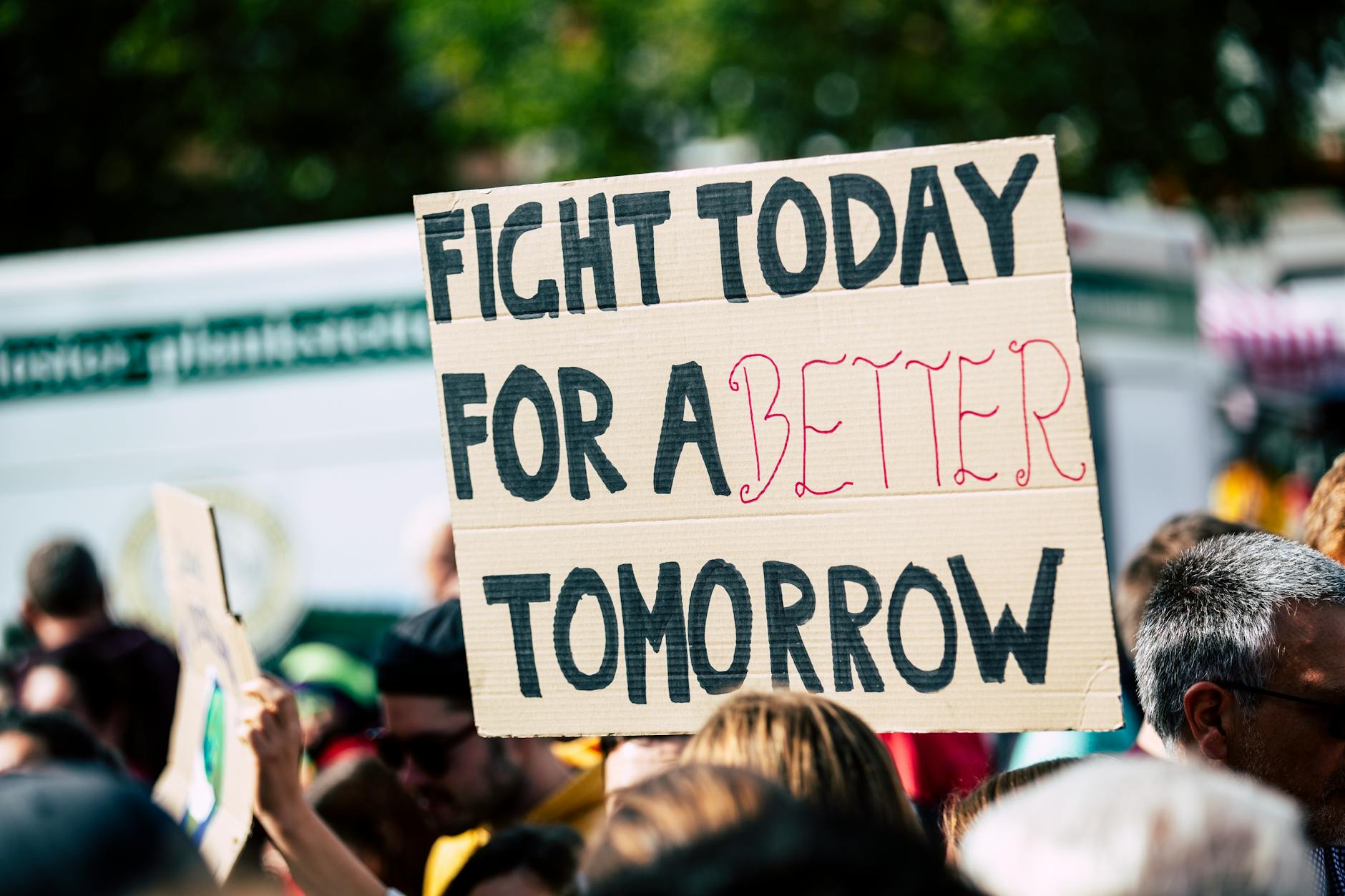
Recently, I have had the opportunity to do that in another dimension of my life. As a member of my union, I have joined my colleagues in regular protests to demand greater flexibility in our workplace. While stepping into this space can be intimidating at first, I have found it to be an empowering experience, one that aligns with my values as a future counselor and as someone who believes workers’ rights are worth fighting for.
In counseling, we often encourage our clients to express their needs, set boundaries, and make their voices heard. But as professionals, we must model that same courage. Advocacy can take many forms: speaking out against systemic injustices, ensuring clients have access to resources, or standing alongside colleagues to improve workplace conditions. Advocacy happens when we show up, act, and stand in solidarity with others.
By participating in these protests, I am realizing that advocating for myself and my peers is a way to foster a healthier environment for everyone. Flexible work policies are about mental well-being, balance, protecting the environment, and creating spaces where professionals can thrive.
Advocacy isn’t always comfortable. It requires stepping out of familiar roles, risking conflict, and sometimes feeling like your voice is too small to matter. But it is not a solo act. It is a collective effort.
During these protests, I have felt the strength of community, marching side by side with colleagues I have just met for the first time. And that is important because change happens when people unite. Each voice adds to the momentum, each presence strengthens the cause. In this sense, advocacy is also about love. Love for our work, for our clients, and for the people who stand beside us.
And because it is grounded in love, advocacy also requires patience, which is the willingness to persist even when change feels slow. By showing up consistently, we signal that the fight for better working conditions is ongoing and that we refuse to accept the status quo.
These experiences have deepened my understanding of advocacy in all areas of my life. Advocacy requires us to show up when our presence can make a difference. Whether through protests, community involvement, or simply speaking up in meetings, each action shapes the future we want to see.
Ultimately, advocacy is both a duty and a privilege. And like in counseling, progress comes one step, one conversation, one shared moment of courage at a time.
If you would like to receive my blog posts in your inbox, please enter your email address below.
I will see you next week.

 Roque Neto