
This quarter, I am taking a course on Crisis and Trauma Counseling as part of my graduate training. While I expected to learn theoretical models and techniques, I wasn’t prepared for how deeply the material would resonate. Each week, I am confronted with realities I will likely encounter in practicum and beyond, working with clients who may be navigating ongoing crises or carrying the weight of past trauma.
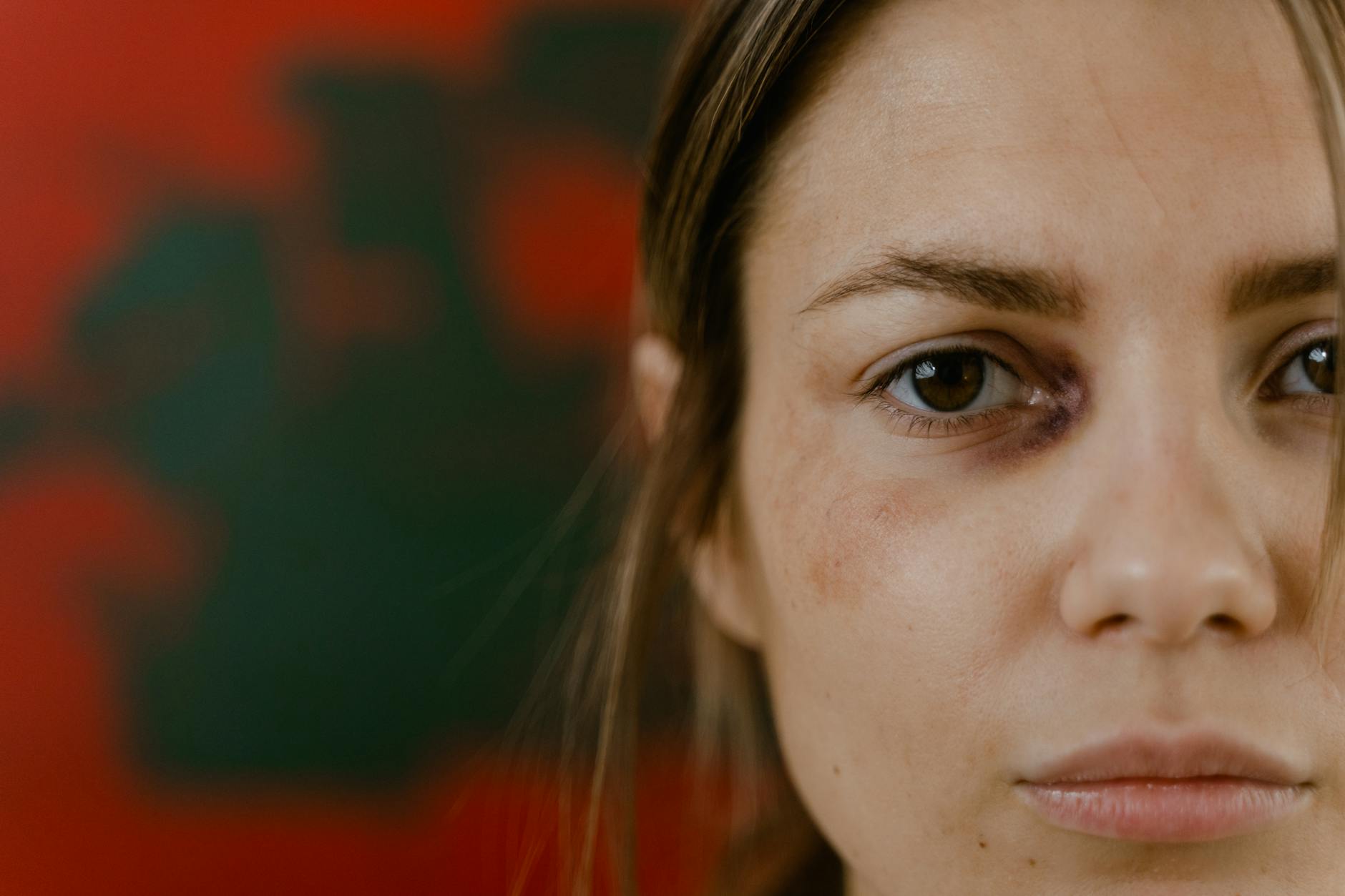
The course has explored multiple dimensions of trauma, including grief and loss, sexual trauma, trauma across the lifespan, and intimate partner violence. These topics are clinically important and deeply human too. One of the most impactful aspects of the course has been learning how to respond to clients experiencing suicidal ideation or expressing an intent to end their lives. In these situations, we are encouraged to meet suffering with empathy, stay grounded in the presence of intense emotional pain, and recognize when it is time to ask for help. As trainees, we are reminded that this level of work requires strong clinical supervision and additional specialization.
What strikes me most is how this course is reshaping my understanding of what crisis and trauma can look like. Domestic violence, for example, is not always overt. It can manifest in subtle yet damaging ways that erode a person’s sense of safety, agency, and worth. As we study these dynamics, I find myself reflecting on the broader societal context in which such violence persists. While domestic and intimate partner violence can affect people of all genders and sexual orientations, the overwhelming majority is perpetrated by men against women. This raises important questions about how boys are socialized, what messages they receive about power, control, and masculinity, and how those messages can contribute to harmful behavior.
As a future counselor, I believe it is essential not only to support survivors of trauma but also to understand the cultural and systemic forces that enable abuse. This includes questioning societal expectations around gender roles and entitlement. If we want to break the cycle of violence, we need to engage in these conversations early and often, in therapy rooms, schools, homes, and communities.
Another lesson from this course has been the importance of self-regulation when working with clients in crisis or processing traumatic experiences. As counselors, we are not immune to the emotional weight of what we witness. Sitting with stories of pain, loss, and fear can leave a mark on us, too. To be fully present and effective in our work, we must also care for our own emotional and physical well-being. This means learning how to ground ourselves in moments of distress, recognizing when we are approaching overwhelm, and building routines of rest and reflection. Our ability to support others depends not only on our skills and knowledge, but also on our capacity to remain regulated in the face of suffering.
This course has made me more aware of the complexity of trauma and the responsibility we carry as counselors to show up with care, humility, and a willingness to continue learning. Most of all, it has reinforced for me that responding to crisis is not about having all the answers, but about being willing to stay present, to listen, and to walk alongside clients as they reclaim their lives.
If you would like to receive my blog posts in your inbox, please enter your email address below.
I will see you next week.

 Roque Neto