
One of the highlights of my time in PAU’s Clinical Mental Health Counseling program was learning from Dr. LaToya Smith during Practicum and Internship I and II. These courses mark the transition from learning about counseling to actually working with clients.
While Dr. Smith guided us through the requirements of practicum and internship and helped us develop our case conceptualization skills, what stood out to me most was the way she supported her students. With that in mind, I am delighted to share this interview with Dr. Smith. I hope her reflections on counselor education and supporting students will be just as meaningful to you as they have been to me.
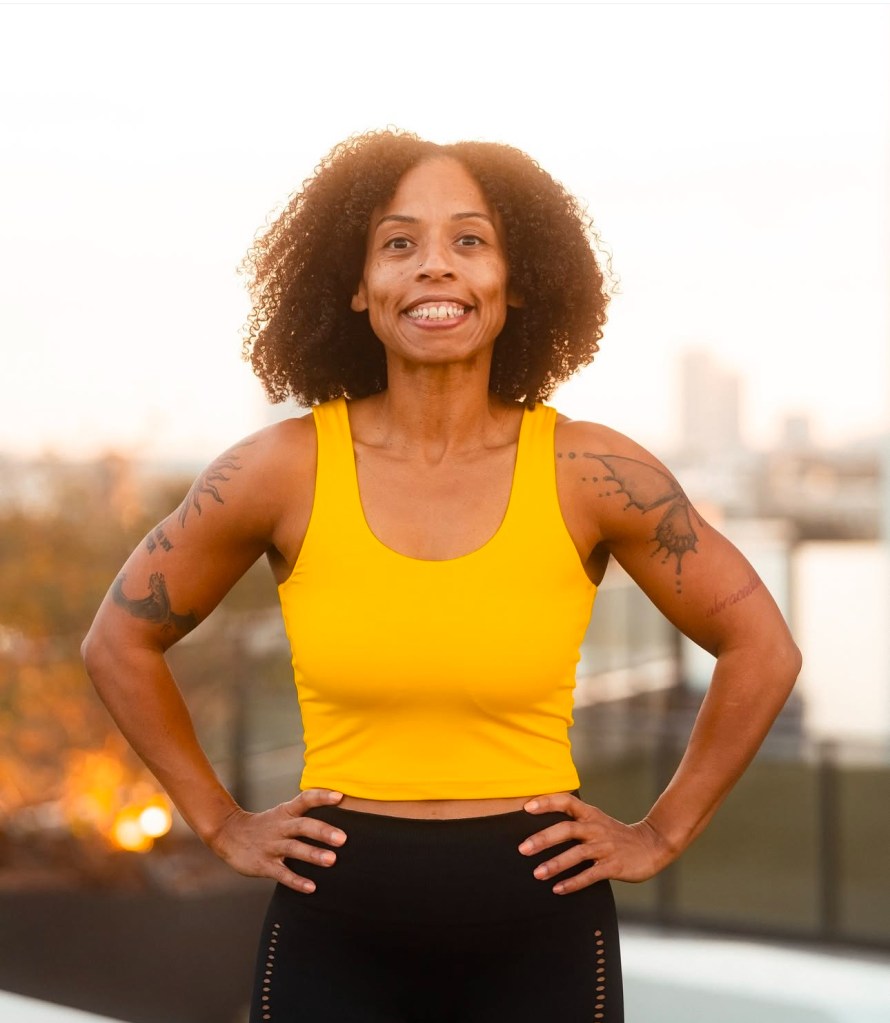
RN: Your clinical interests include wellness, trauma, diversity, and creativity in counseling. How have these areas influenced the way you teach future counselors?
Dr. Smith: Wellness is at the foundation of everything I do because it’s important to me that students start to create self-care habits they can take into their work as future counselors. My work in trauma reminds me that every client has a story we may not fully understand, so I emphasize curiosity, humility, creating emotional safety, and moving at the clients pace. Diversity is woven into every course I teach because culture influences how people experience the world, healing, and relationships. I want students to develop cultural humility and recognize that learning never stops.
RN: I had the opportunity to learn from you as the professor who guided me and my classmates through practicum and internship. How would you describe your role in helping students make the transition from the classroom to working with real clients?
Dr. Smith: I believe my role in helping students in this transition is to normalize all of the various feelings that come up for them. I often remind students that they know more than they think they do and that becoming an effective counselor is a lifelong process. During supervision, I try to create a space where they can celebrate successes, process challenges, ask vulnerable questions, and recognize that mistakes are opportunities for growth rather than signs of failure.
RN: While exciting, practicum and internship can also be some of the most stressful parts of counselor training. In your experience, what tends to surprise students the most once they begin seeing clients?
Dr. Smith: I think the level of busyness surprises students. I think they know conceptually they will be busy (balancing school, work, seeing clients) but actually experiencing the day-to-day busyness and what that feels like mentally and emotionally is what surprises students. There’s also no way one can prepare for this because it impacts everyone differently.
RN: Throughout the practicum and internship process, you consistently encouraged us to care for ourselves, not as an afterthought, but as part of becoming effective counselors. Why do you believe self-care is such an essential professional skill?
Dr. Smith: I believe self-care is essential because I don’t think counselors can make it long term in this field without self care. I believe we do a great job of holding space for our clients and reminding them to take care of themselves but tend to hold ourselves to a different standard. Also, I think society sends the message that burning yourself out is almost like a badge of honor and I don’t think we’re built to sustain that level of stress. I think it’s important too that counselors remember that you get to define what self care looks like for you (big or small).
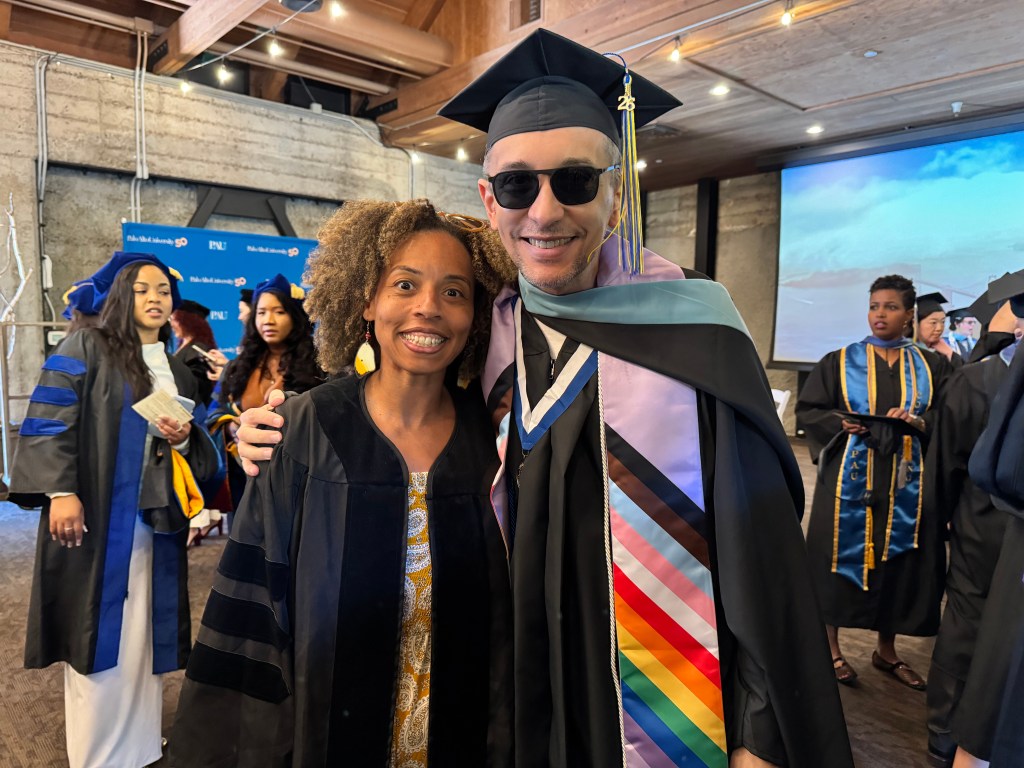
RN: Looking back on your own journey from counselor to counselor educator, what experiences most shaped the kind of educator you wanted to become?
Dr. Smith: I didn’t know it at the time but my own experiences in burnout as a clinician most shaped the kind of educator I wanted to become. I don’t feel like counselor wellness was discussed while I was in school and I wanted to normalize how difficult it is to carry it all as a counselor (along with everything else going on in their lives). It’s been important to me to remind folks that we are all human and have our limits and there is nothing wrong with that. I think learning about being an empath also shaped me and the kind of educator I wanted to become. I wanted to help students learn this about themselves (if it applicable) and to be able to start practicing different coping strategies so that they’re learning how to not take on energy that isn’t theirs to carry (or even just gain awareness first that they’re doing this).
RN: I can personally attest that building meaningful relationships with students is one of your strengths. What are some of the ways you intentionally create a supportive learning environment, especially in an online program?
Dr. Smith: I try to create an environment where students know they can show up authentically. That means learning about who they are, encouraging discussion and reflection, checking in regularly, and making space for both personal and professional growth. I also try to be approachable and responsive while maintaining clear expectations and boundaries. My hope is that students experience my classroom as a place where they can develop confidence, take risks, be human, and grow into the counselors they want to become. If students leave my class believing in themselves a little more than when they entered, then I feel I’ve done my job.
RN: When your former students are five or seven years into their counseling career, what do you hope they remember about your class?
Dr. Smith: I hope my students will remember that they are exactly where they’re supposed to be, even if it looks different from what they expected.
We thank you, Dr. Smith, for this interview!
If you would like to receive my blog posts in your inbox, please enter your email address below.
I will see you next week!


