
A few weeks ago, I wrote about The Ethics of Attention, and as I continue to think about its implications, I have noticed another paradox of our times: the more our attention is fragmented, the more we crave certainty.
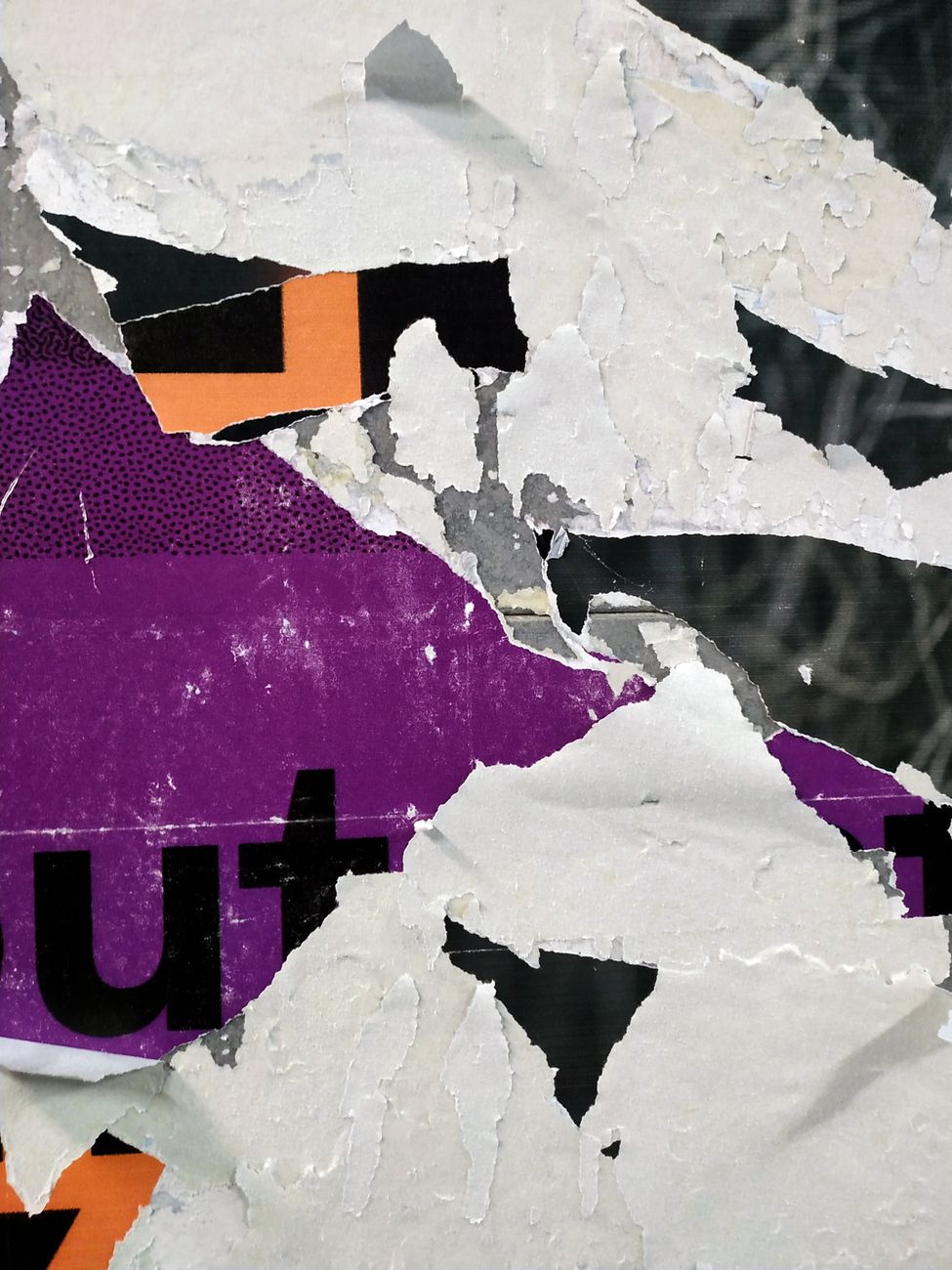
Our attention is solicited, divided, measured, and bought. We move from one image to another, from one headline to another, from one argument to another, rarely remaining with anything long enough to appreciate its complexity. We scroll, absorb fragments, react, and move on. And with this limited cognitive diet we confuse familiarity with knowledge. But recognition is not understanding.
To understand is to interpret. We encounter the world through language, memory, experience, culture, education, relationships, and the stories through which we make sense of what happens around us. What we call knowledge is not separate from the perspective from which we approach reality. Our understanding of reality is marked by human limitation.
But interpretation doesn’t come alone. It is often accompanied by judgment and action, and the movement from interpretation to judgment to action can be immediate. Our beliefs influence whom we trust, whom we forgive, whose suffering we notice, and whose suffering we are prepared to dismiss. This is where certainty becomes an ethical question.
We have created an environment in which apparent certainty is more compelling than careful attention to facts and evidence. The complicated explanation loses to the simple one. The researcher who says, “The evidence is mixed” is less compelling than the talking head who says, “Here is what is really happening.”
We crave certainty.
Certainty relieves us of the discomfort of ambiguity. It tells us who is right and who is wrong, who deserves sympathy and who deserves condemnation. It simplifies the world.
Perhaps this is why we hold on to certainty when our attention is most fragmented. When we encounter only pieces, we need a larger story to make those bits coherent. Certainty provides one.
A headline becomes evidence for the story we already believe. A video becomes confirmation. A pundit’s confident opinion becomes another piece of the narrative. Gradually, the fragments form a story that feels complete.
At that point, we are no longer trying to understand reality. We are protecting a narrative: an explanation so complete that contradictory evidence is no longer permitted to challenge it.
The ethical challenge begins when our need for certainty becomes more important than our responsibility to understand reality as accurately as we can.
To say, “I may be wrong,” is not intellectual weakness. It is an acknowledgment that other people deserve something from us before judgment: the possibility that we might have misunderstood them. This is where humility becomes inseparable from empathy.
Empathy requires that we allow another person to remain more complicated than our first interpretation of them, but certainty can close off this possibility. Once I am certain that I know who you are, there is nothing left for me to discover about you. You have ceased to be a person I encounter and become an object I classify.
This is one of the ways certainty can lead to dehumanization. Hatred can begin with a story about who they are, what they want, and what they deserve. When a story is repeated often enough, we may no longer experience it as a story. We experience it as reality itself.
A better way of being requires the opposite movement. It asks us to pause and consider whether the person before us is larger than the narrative through which we have encountered them.
Every time we embrace a conclusion without sufficient attention to the details that led us to it, every time we mistake confidence for knowledge, every time we allow a fragment to become a whole, we practice a particular way of thinking. Eventually, this becomes a habit of mind. Habits of mind become ways of being.
One of the major ethical tasks of our time is to recover the dignity of uncertainty.
There is courage in saying, I do not know enough yet.
There is discipline in saying, I need to understand this before I decide.
There is humility in accepting that we may be mistaken.
And there is freedom in remaining capable of changing our minds.
Human beings are fallible. We will misunderstand. We will make judgments that require revision. We will discover that some of the positions we defended with certainty were based on incomplete knowledge.
To recognize our fallibility is to recognize that reality is always larger than any individual interpretation of it. It is also to recognize something about the other: that they, too, are more than our understanding of them.
The core of our humanity lies not in certainty but in the disciplined willingness to remain open. Open to complexity. Open to the possibility that what we thought was knowledge was only a fragment. Open to the possibility that the person we have reduced to a category possesses a story we have never heard.
In a society that profits from our fragmented attention and rewards our desire for certainty, this openness is what we need. In the end, the limits of certainty are an invitation to become people whose convictions remain answerable to evidence and whose judgments remain tempered by humility.
If you would like to receive my blog posts in your inbox, please enter your email address below.
I will see you next week!


